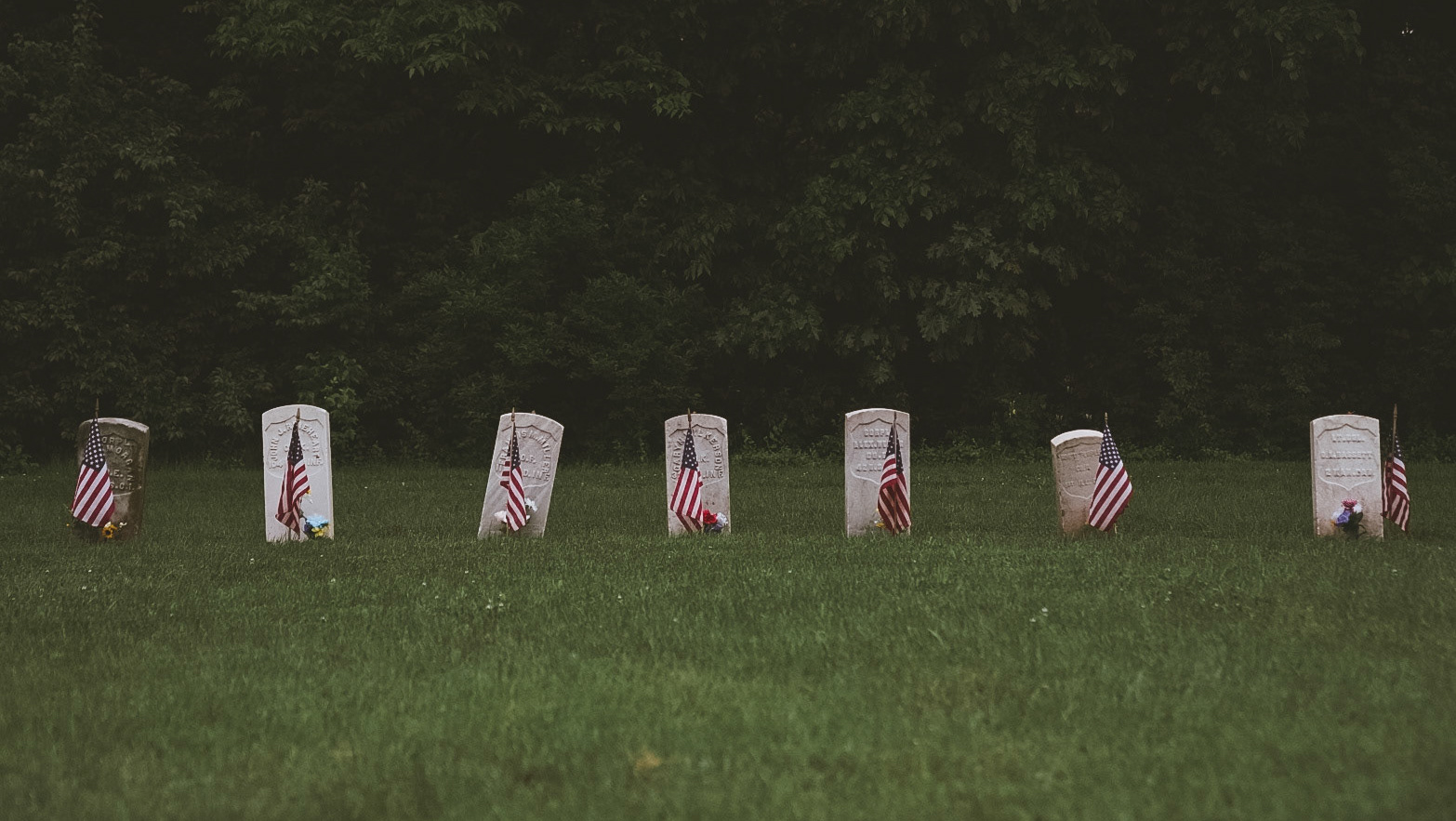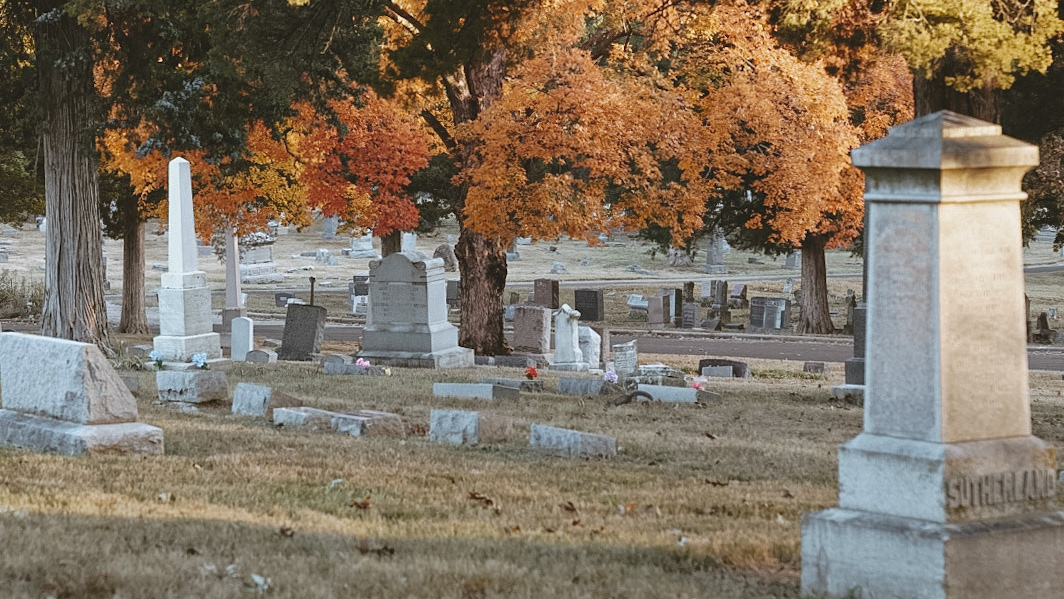
In 1942, William Allen White referred to Oak Hill Cemetery as “The Kansas Arlington” due to the numerous influential residents resting within the fence of the historic 40 acre cemetery. White noted that State of Kansas Attorney General Roland Boynton, Senator Jim Lane, the first Kansas Governor Charles Robinson, Senator Edmun Ross, Dudley Haskell, Governor Walter Roscoe Stubbs, Salon Thacher, and George Barker rest in Oak Hill, saying “if there is hallowed ground in Kansas, it is where these old heroes rest.” Perhaps most famously, Dr. Forrest C. “Phog” Allen, University of Kansas basketball coach, has a family plot within Oak Hill. To say that Oak Hill Cemetery is an important piece of Lawrence history worthy of preservation is an understatement.
Oak Hill Cemetery was established in the aftermath of Quantrill’s 1863 Raid on Lawrence. The victims of Quantrill’s Raid were put in a mass unmarked grave at Pioneer Cemetery, the first cemetery in Lawrence, located on what is now The University of Kansas campus. In the year following, it became apparent that the departed deserved a better resting place, as the Pioneer Cemetery was in a state of disrepair.
Four men who survived the raid would become pivotal in the establishment of Oak Hill Cemetery – R.W. Ludington, John Speer, Holland Wheeler and Gurdon Grovenor. R.W. Ludington was elected mayor after Mayor Collamore was killed in the raid. In Ludington’s inaugural address, he called for the establishment of a new city cemetery. John Speer shortly followed by condemning the treatment of the dead from Quantrill’s Raid, “the cemetery, as it now exists is a blot upon our character. It shows us to be unfeeling, uncivilized and unchristian.” Speer was unrelenting in his admonishment of the treatment of Lawrence’s dead. Before long, Ludington appointed a city committee and charged them with finding a location for a cemetery that would be completely controlled by the city of Lawrence.
In January 1865, a committee appointed to establish a new city cemetery procured forty acres for the establishment of Oak Hill. Holland Wheeler, the city surveyor, began surveying and laying grounds for the cemetery in its Rural Cemetery style. By November 1865, the first burial plots were sold. Land acquisitions expanded the grounds to 60 acres between 1918 and 1978.
If you are interested in learning about how you can help preserve Oak Hill Cemetery, visit: https://www.watkinsmuseum.org/oak-hill-cemetery-committee/
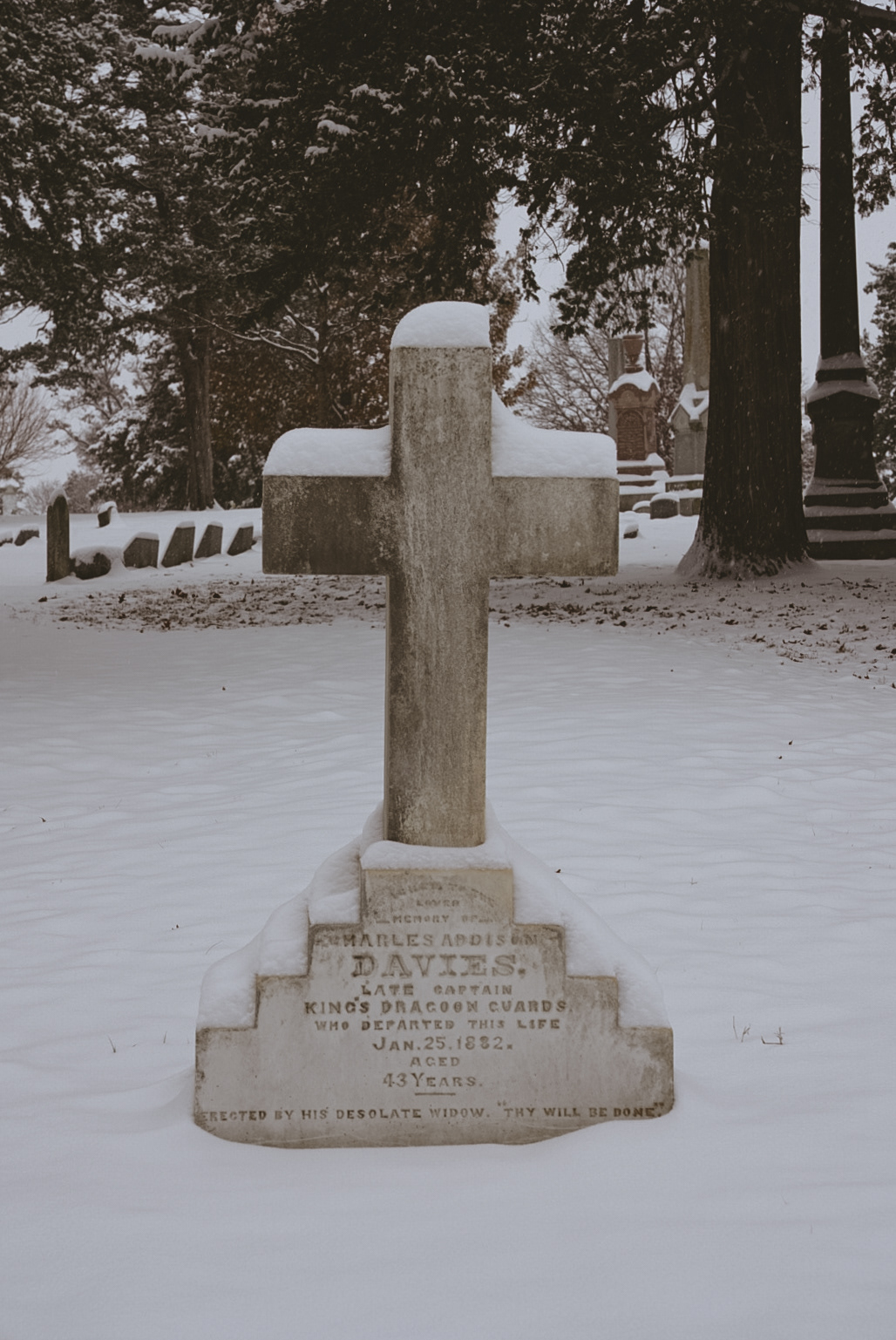
Davies, digital
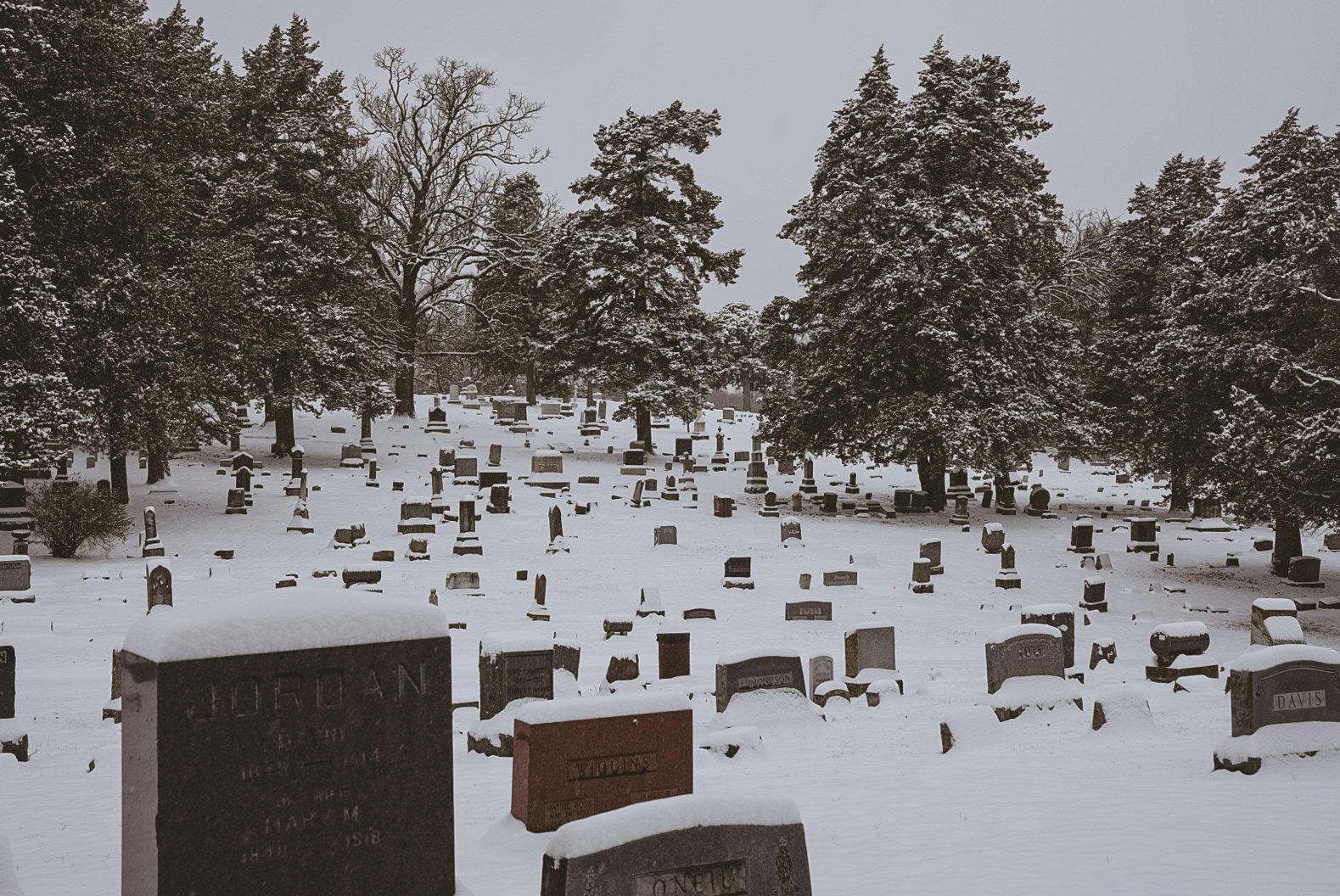
Winterscape, digital
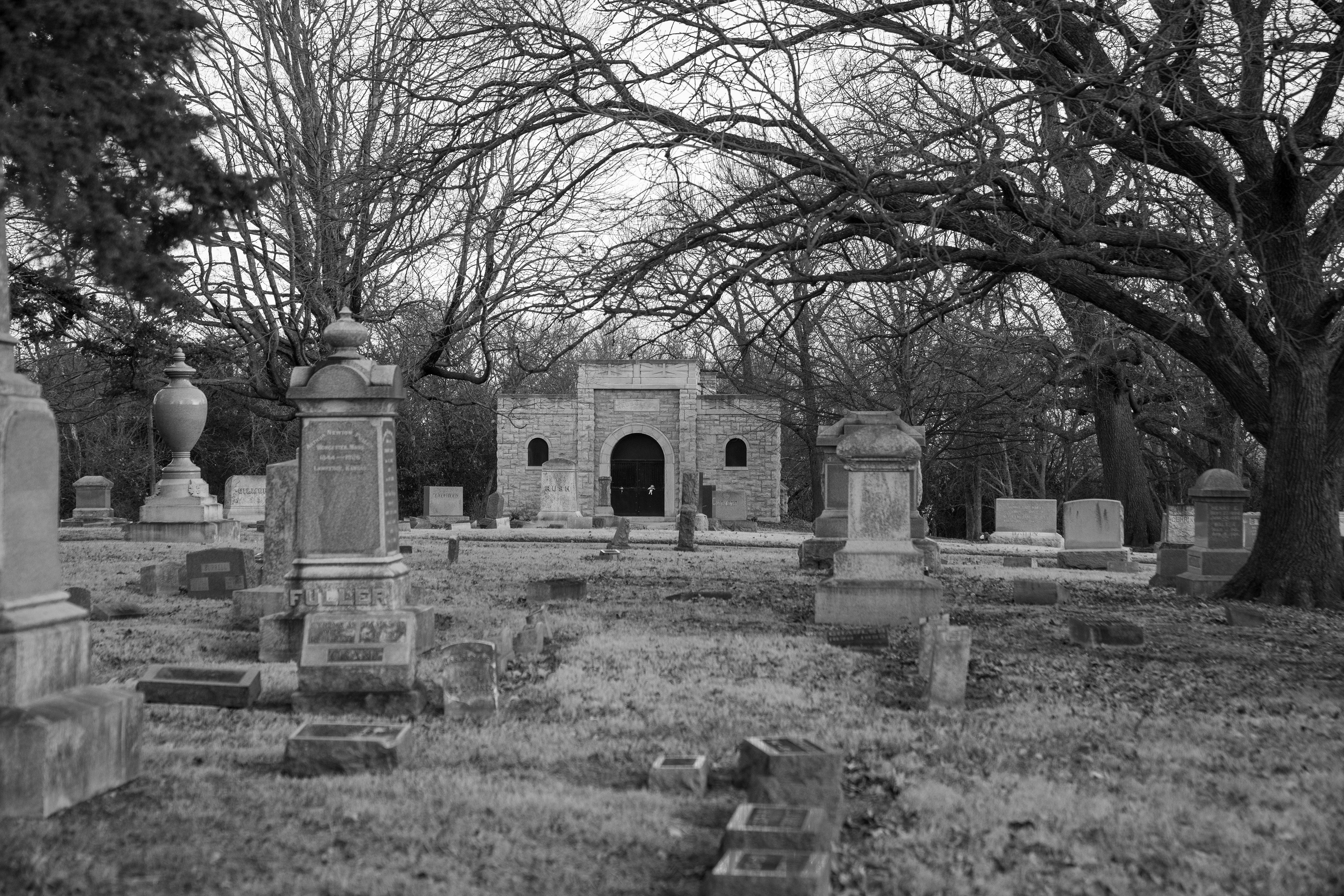
1917.1 Mausoleum, digital
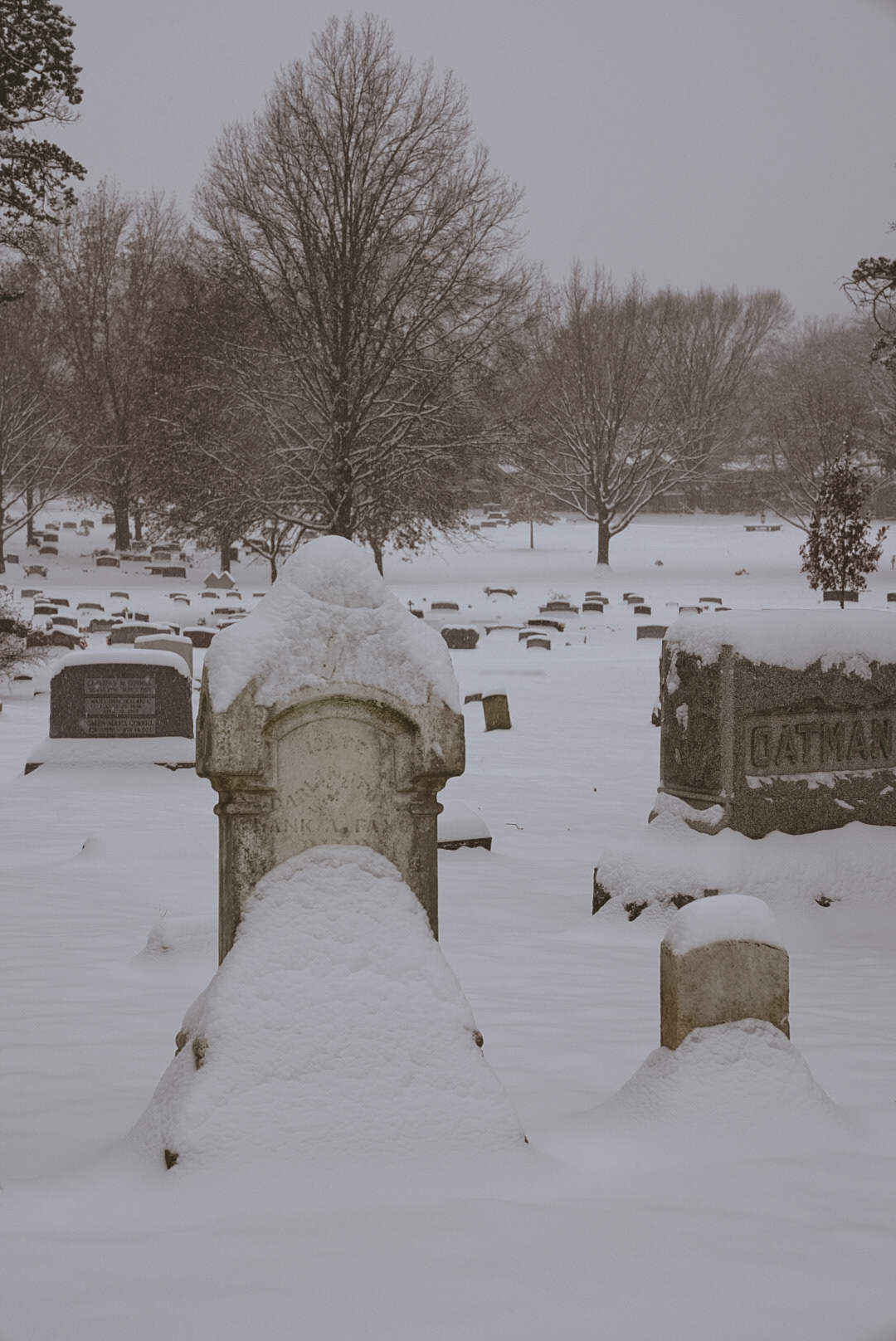
Winter caps.1, digital
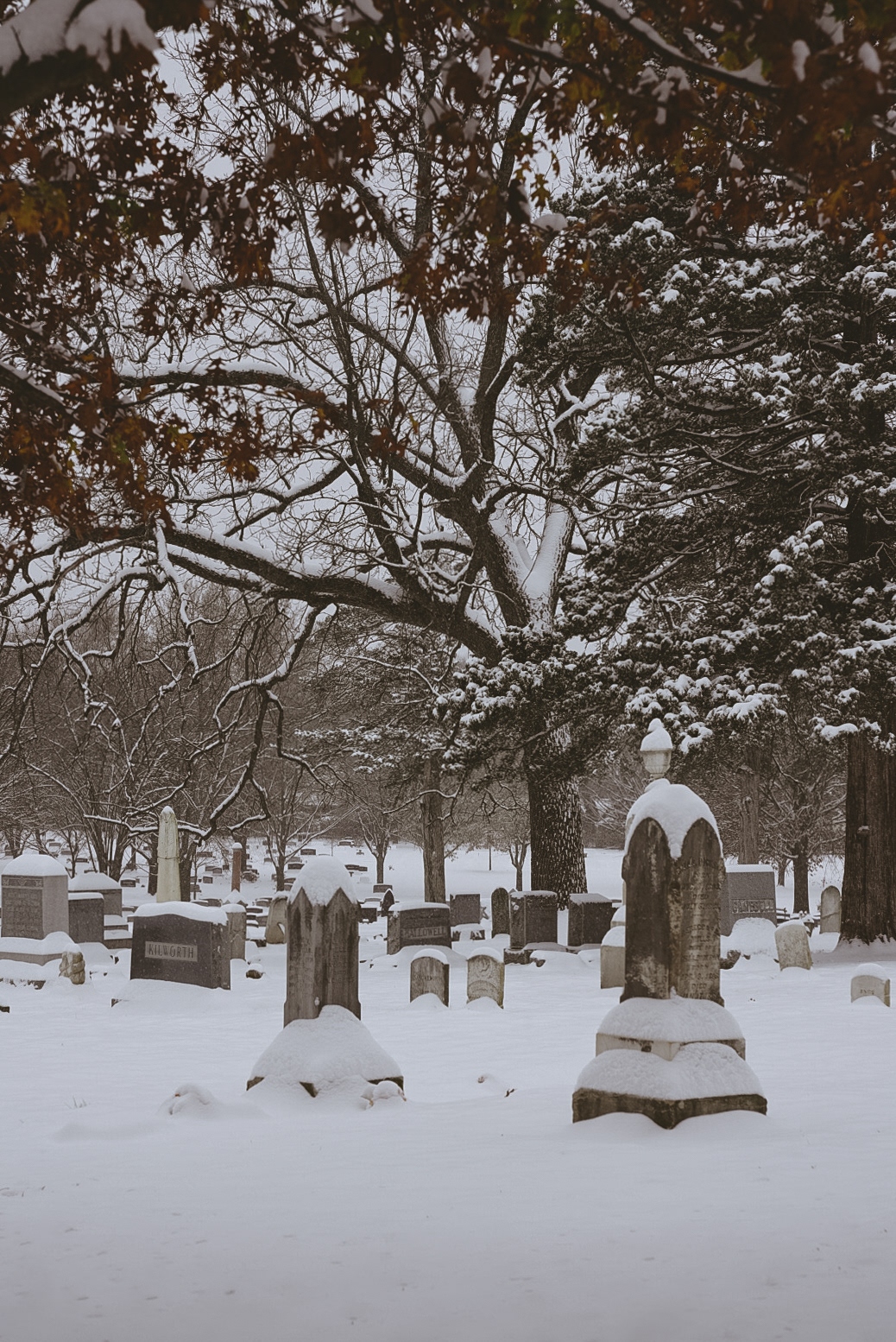
Winter caps.2, digital
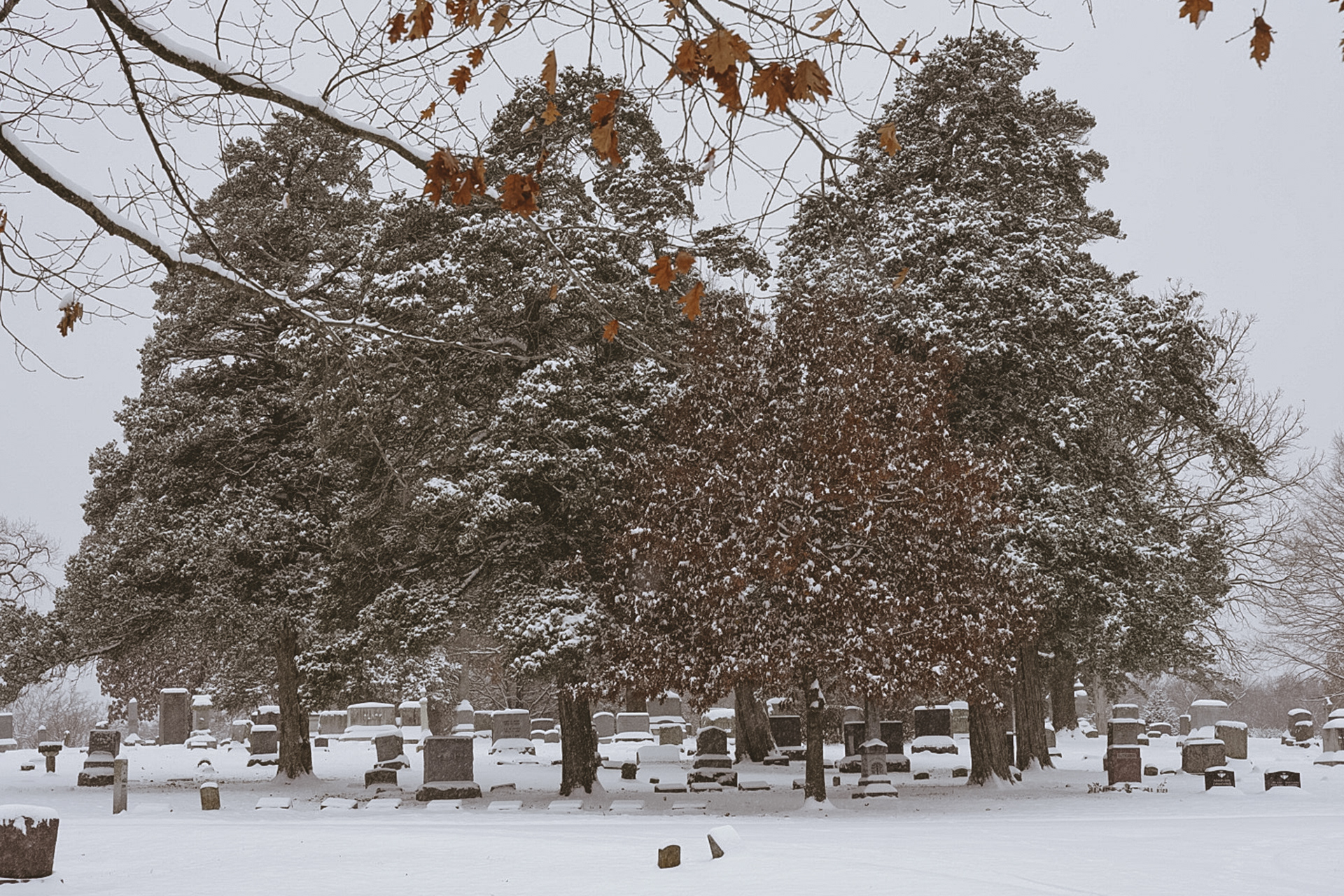
Three trees.1, digital
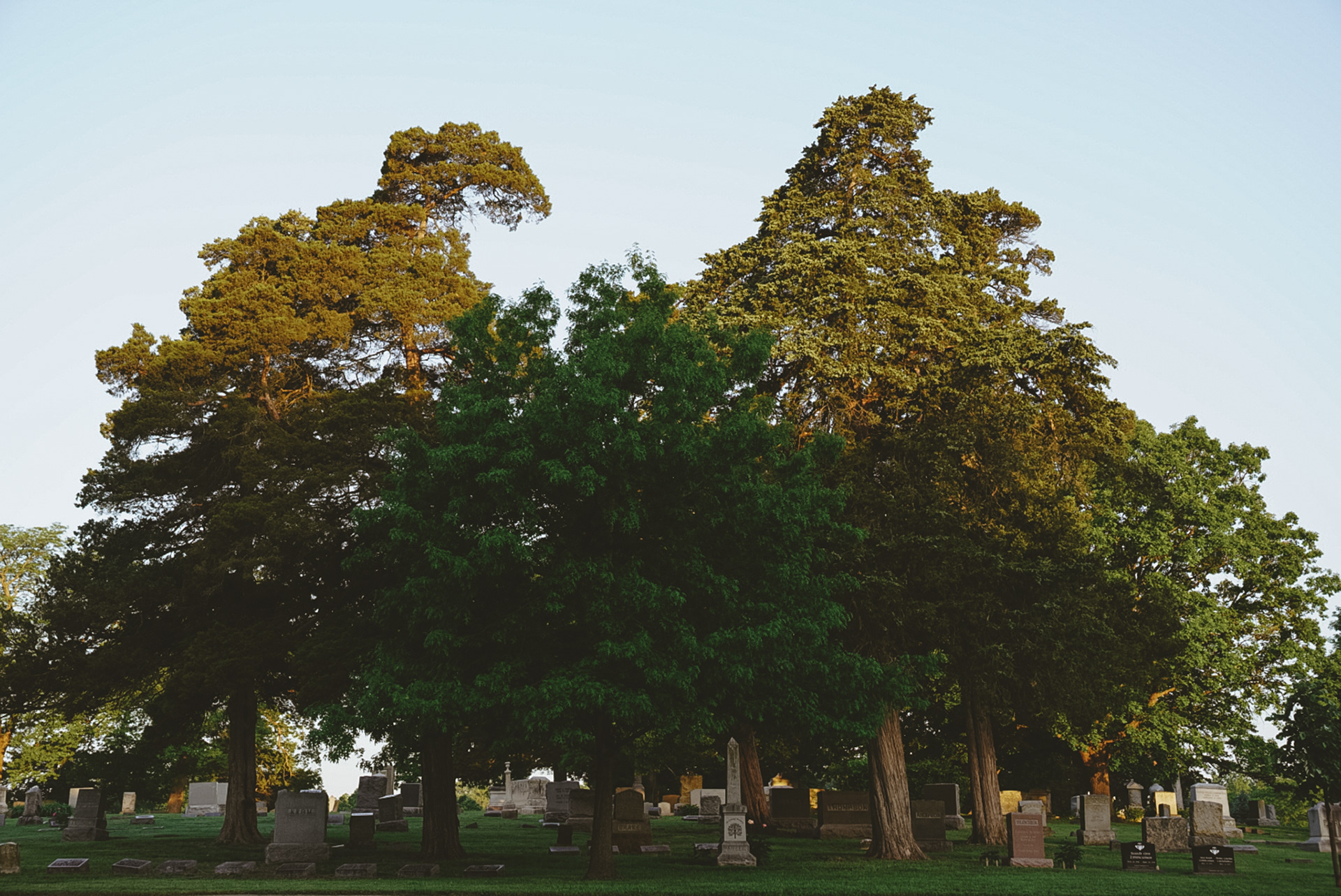
Three trees.2, digital
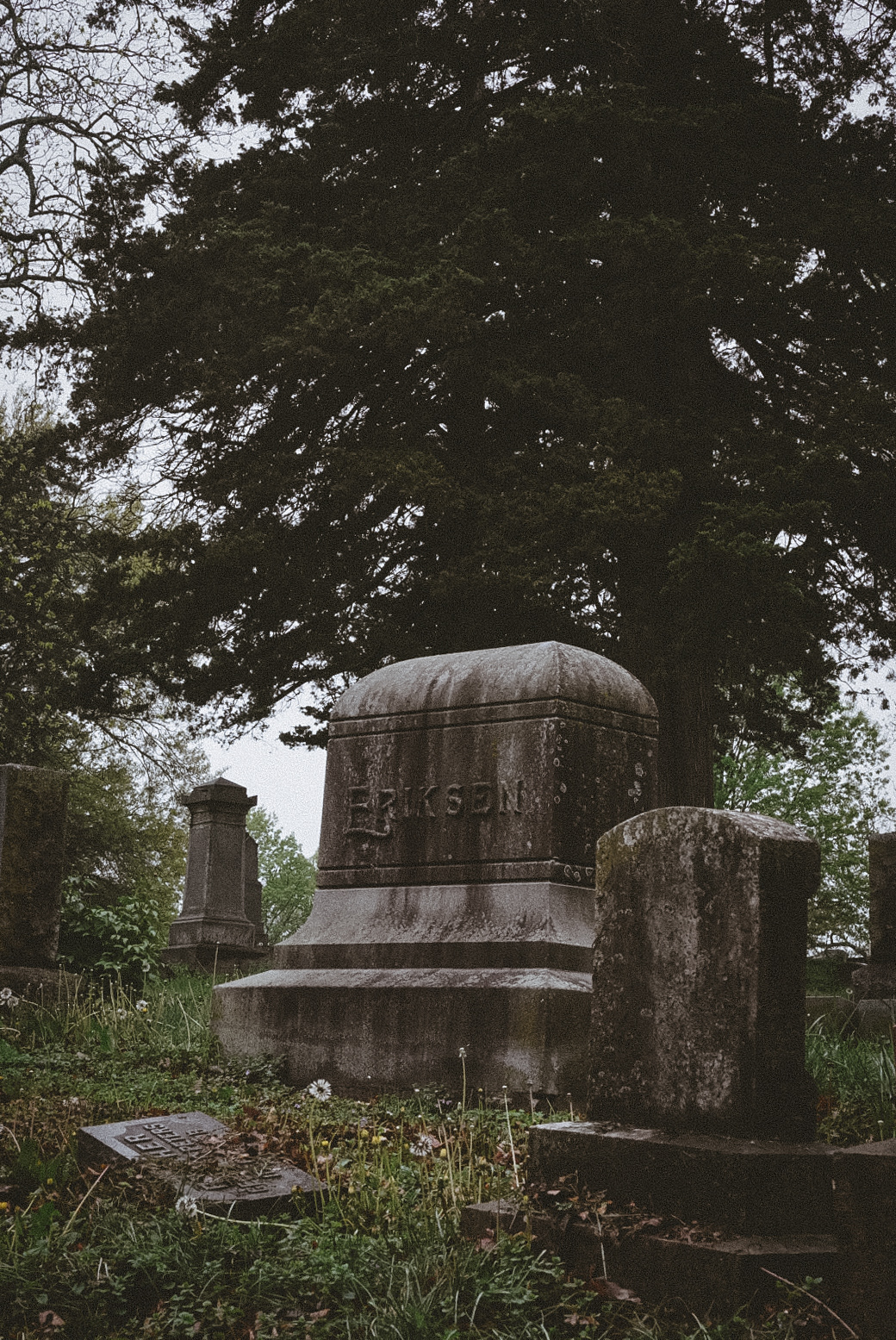
Eriksen, digital
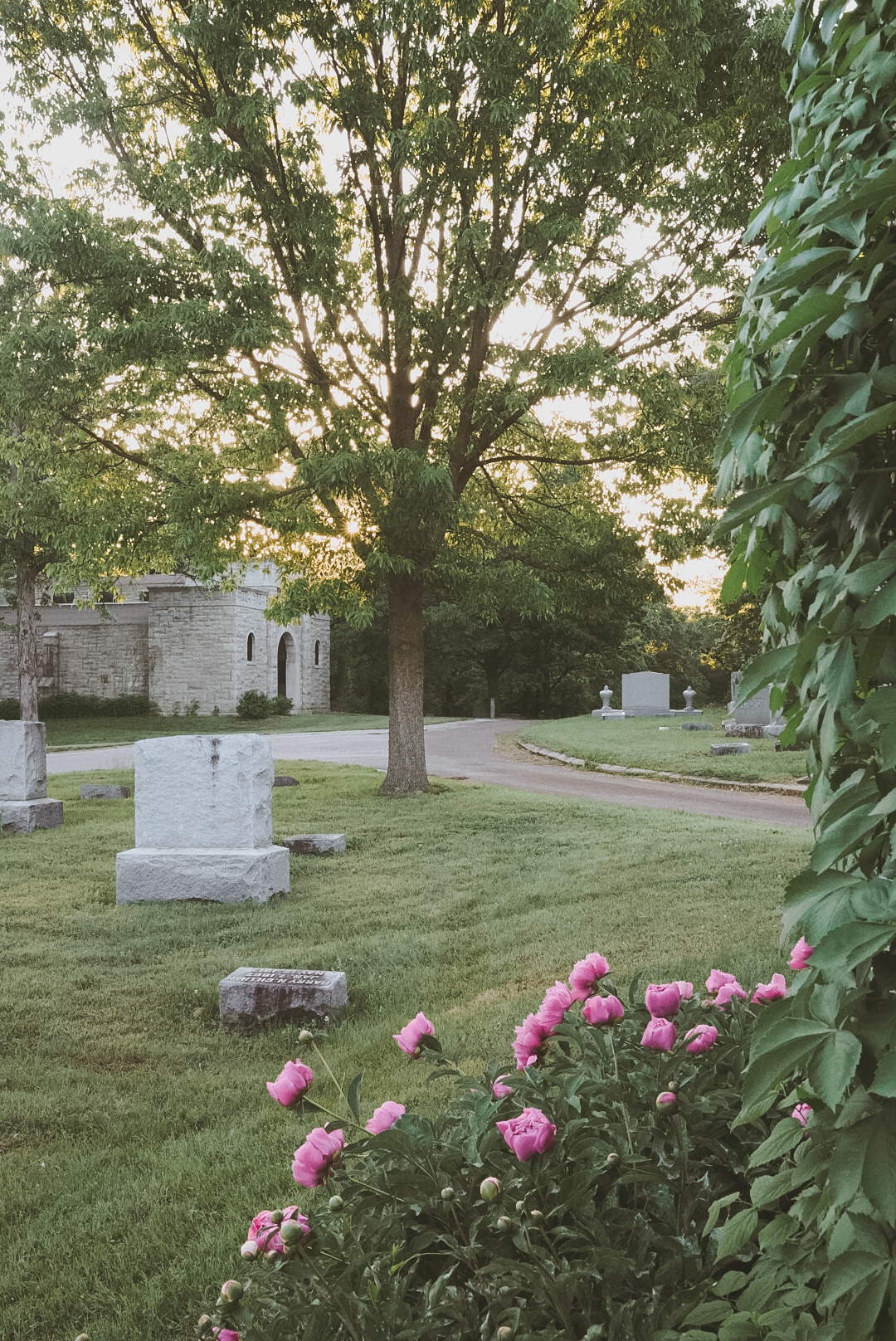
Monroe foliage, digital
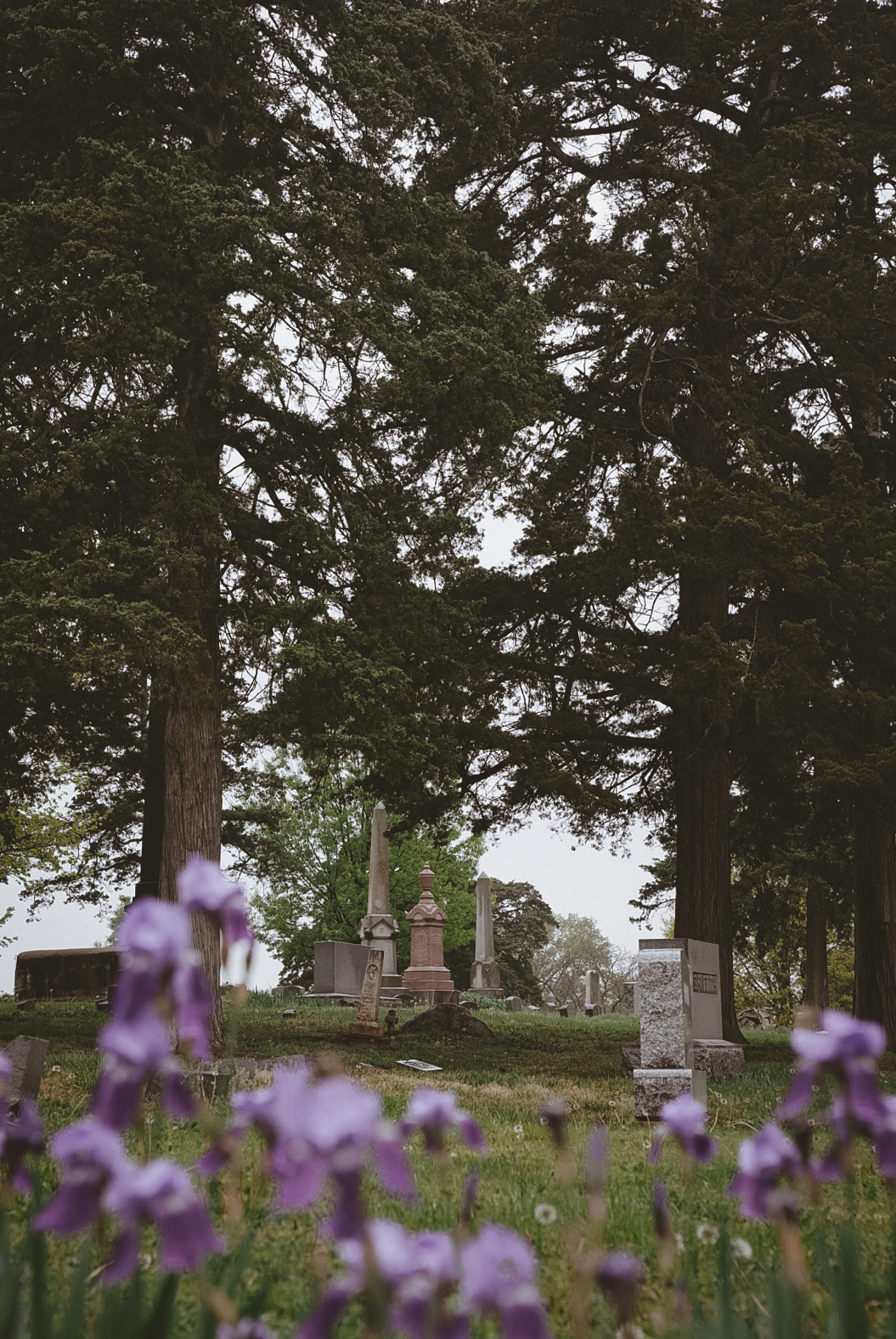
Iris, digital
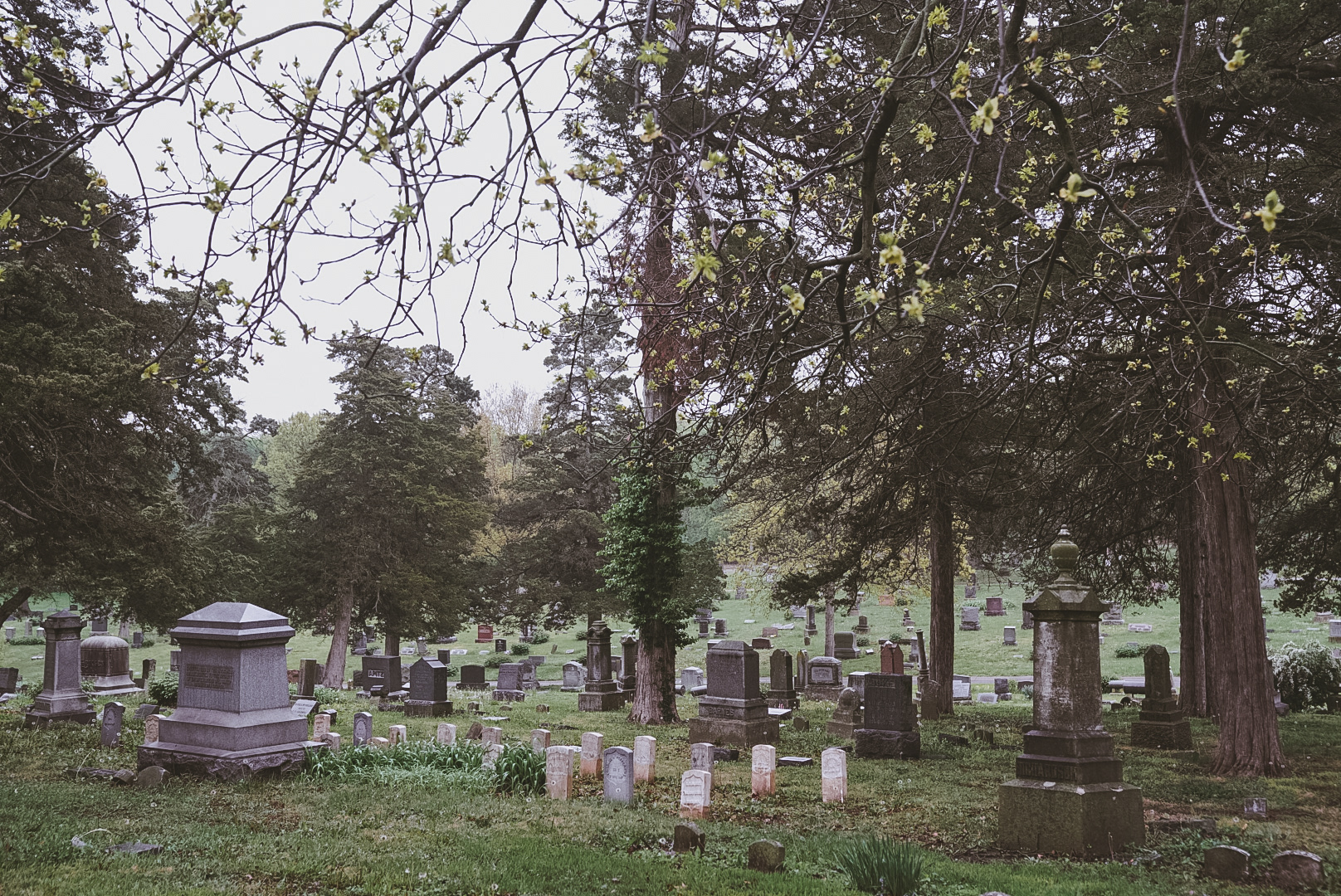
Springscape, digital
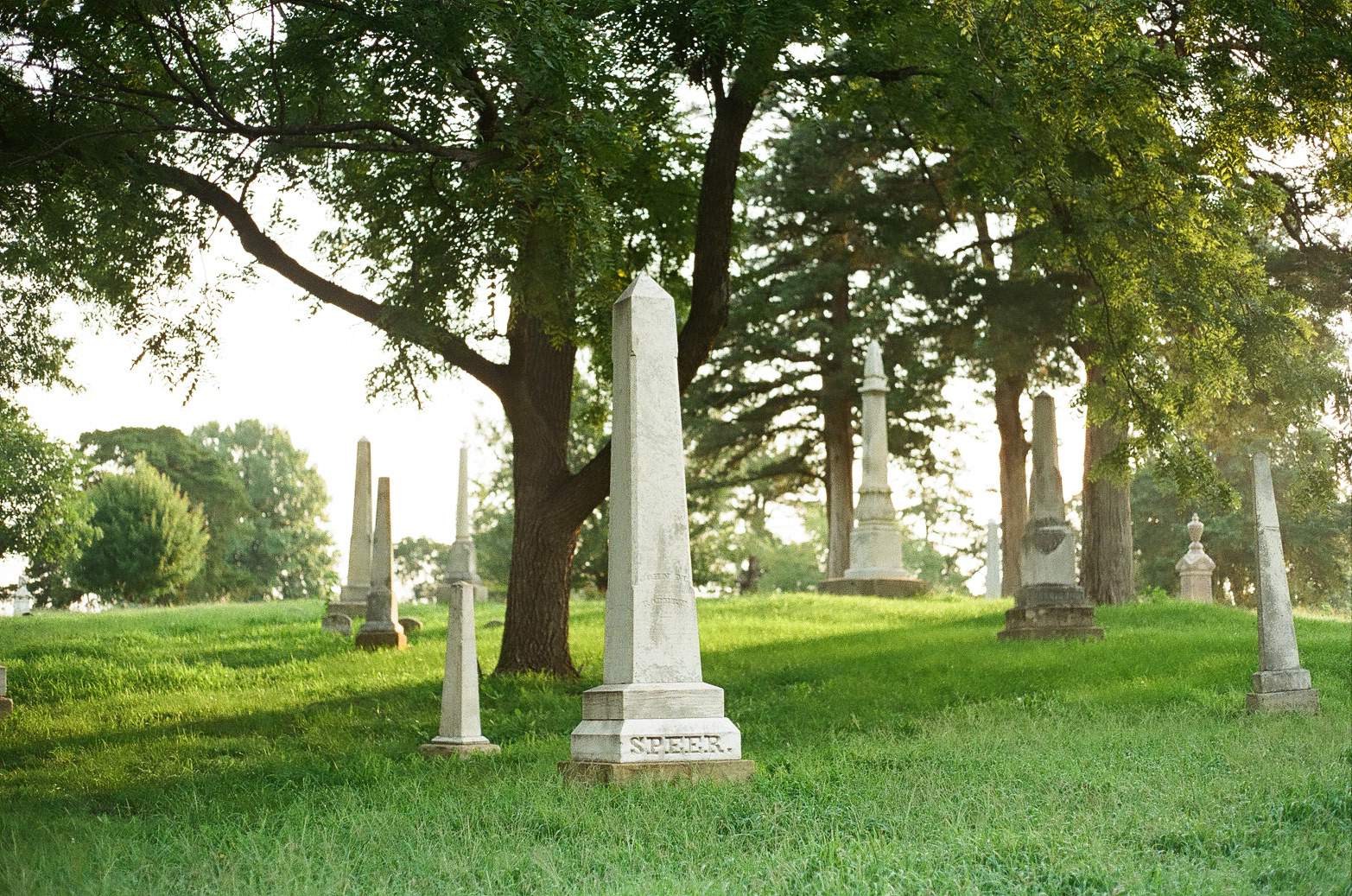
A Speer's summer, 35mm
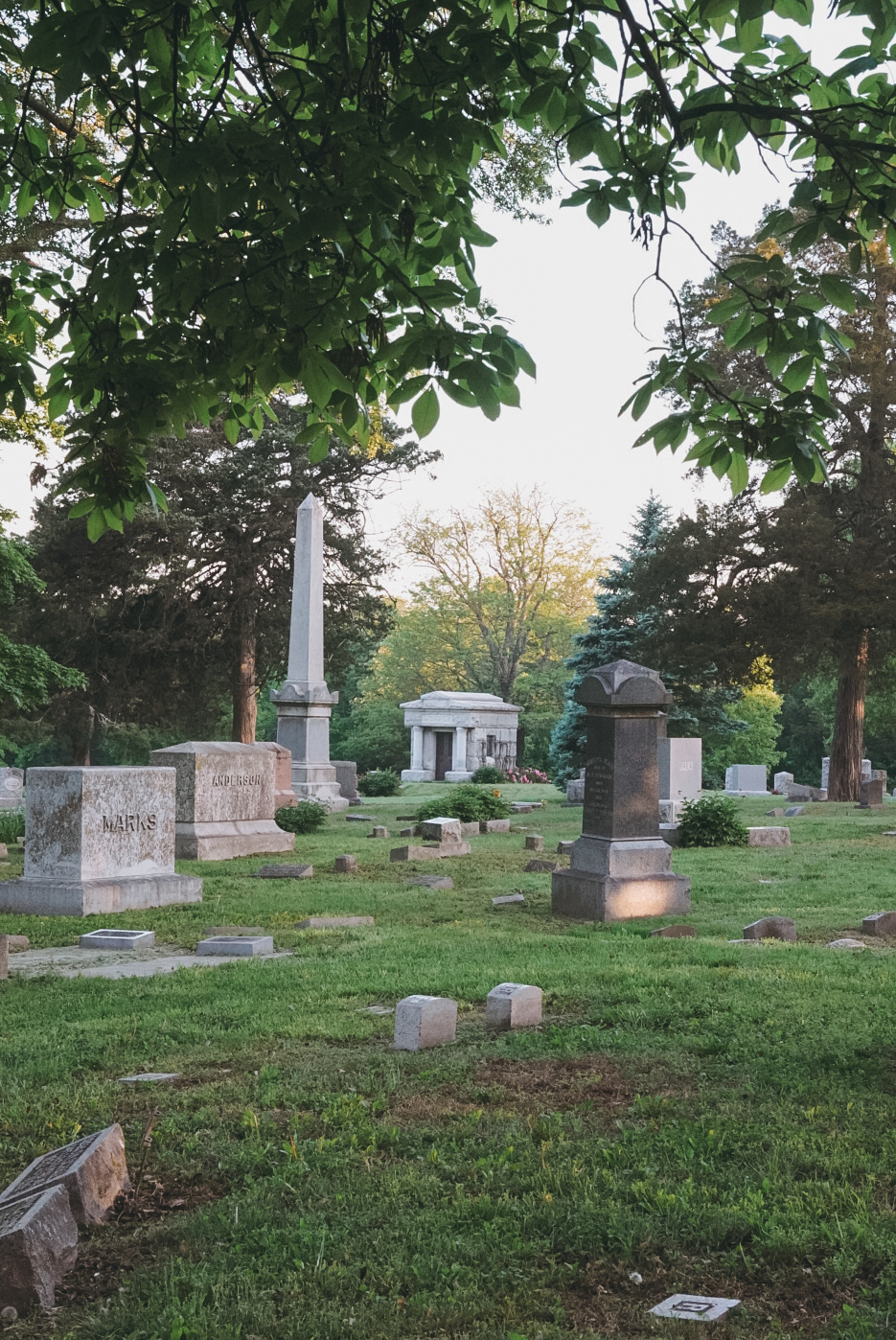
Monroe, digital
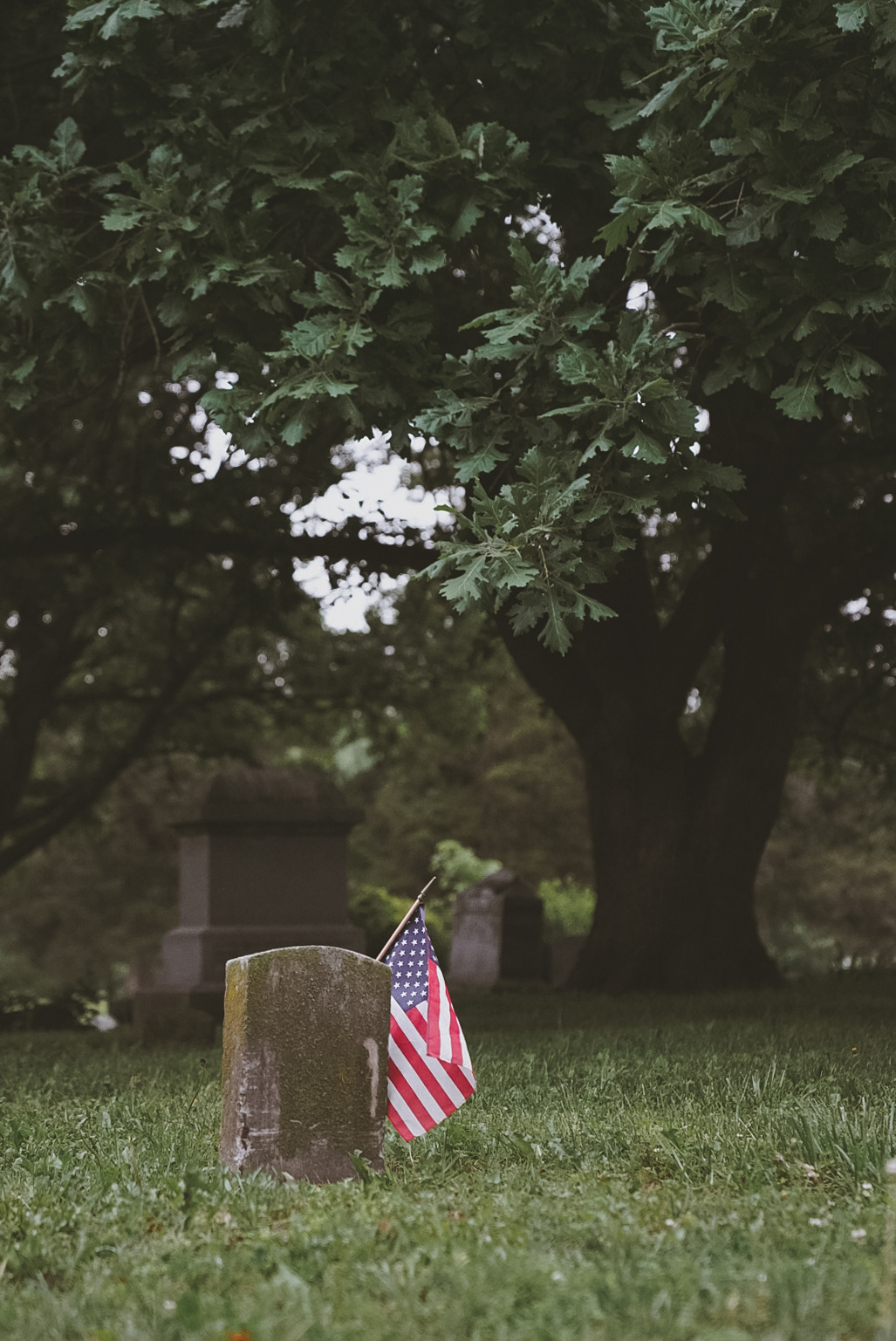
Single unknown, digital
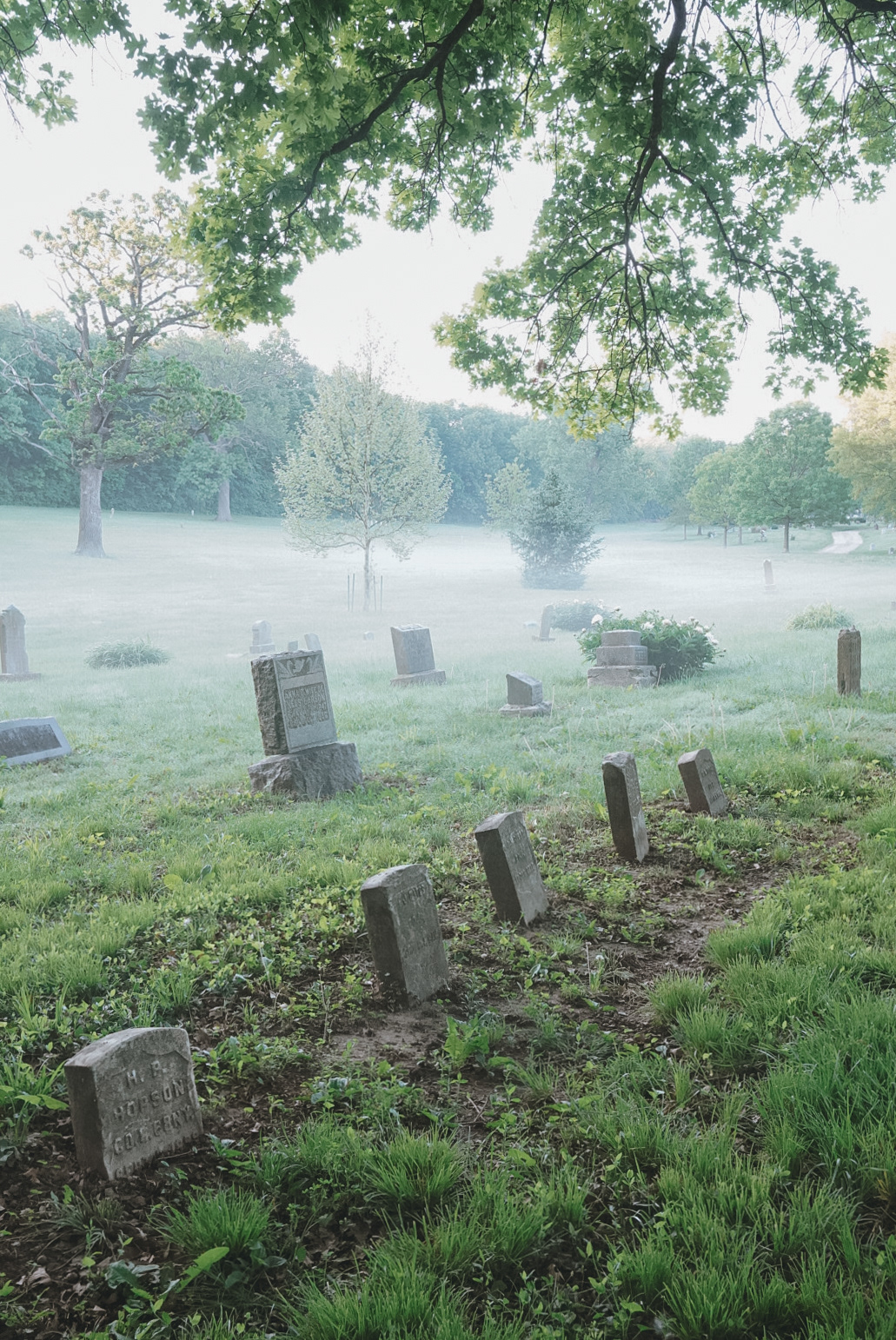
Foggy morning, digital
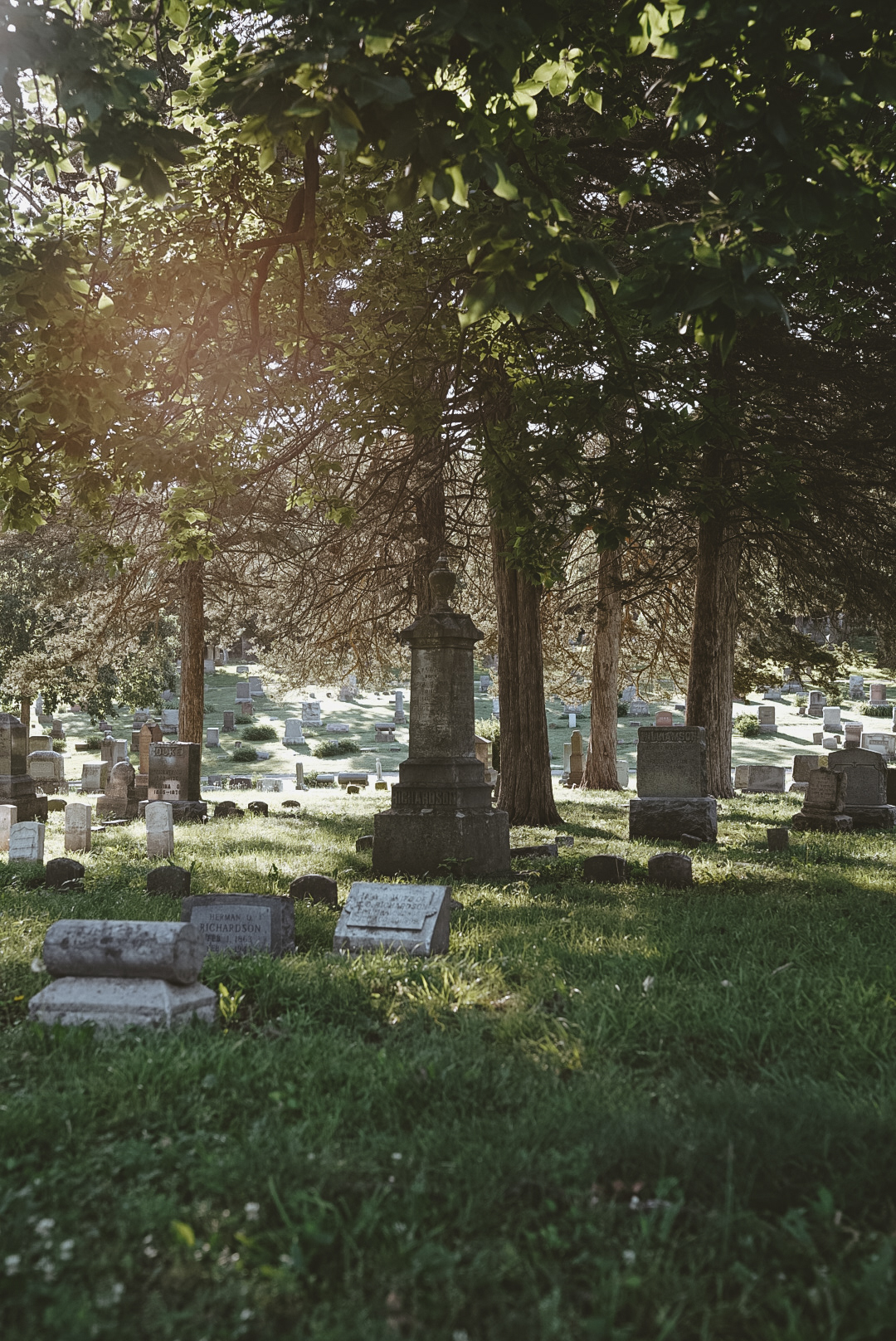
Summer glow, digital
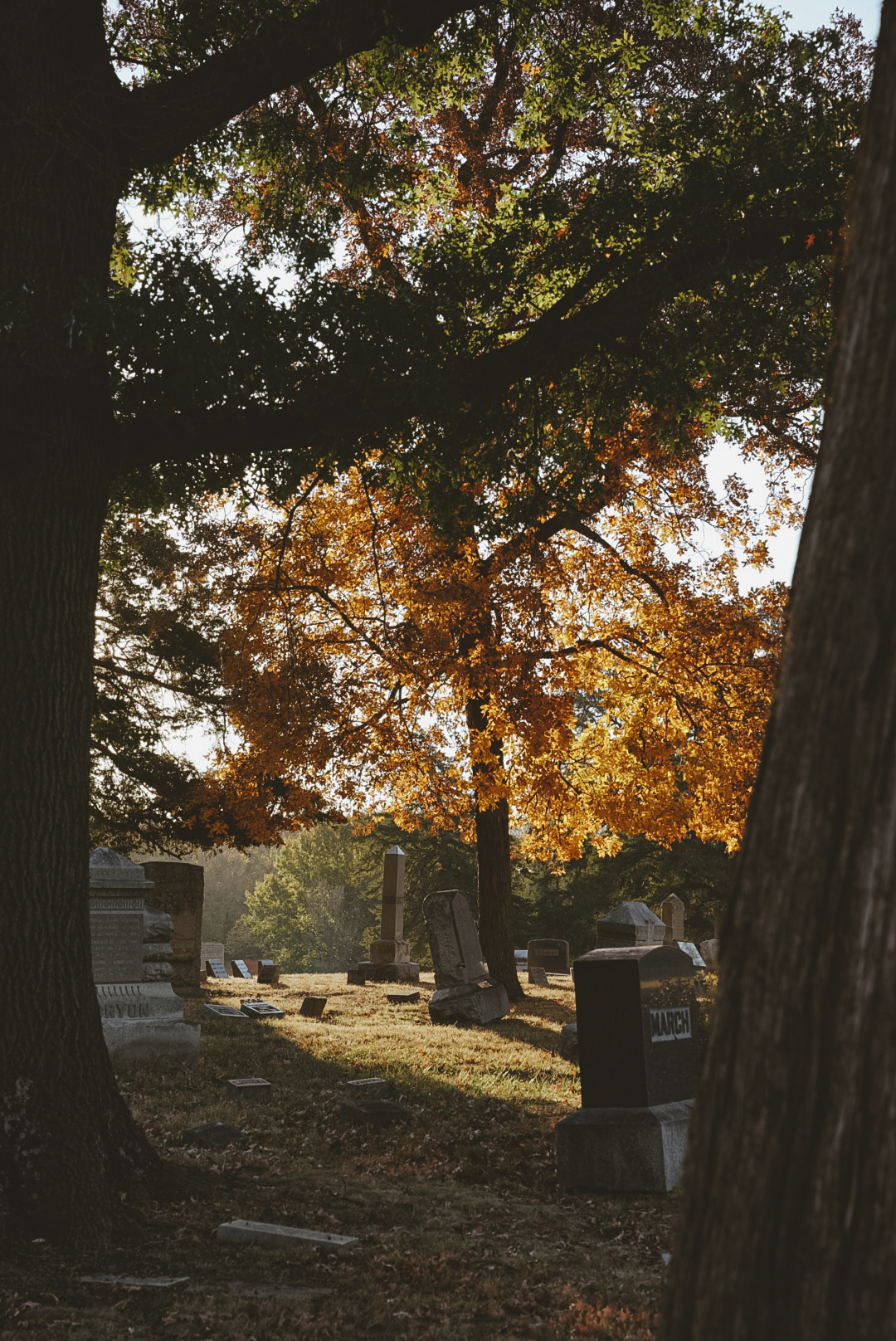
Autumnal glow, digital
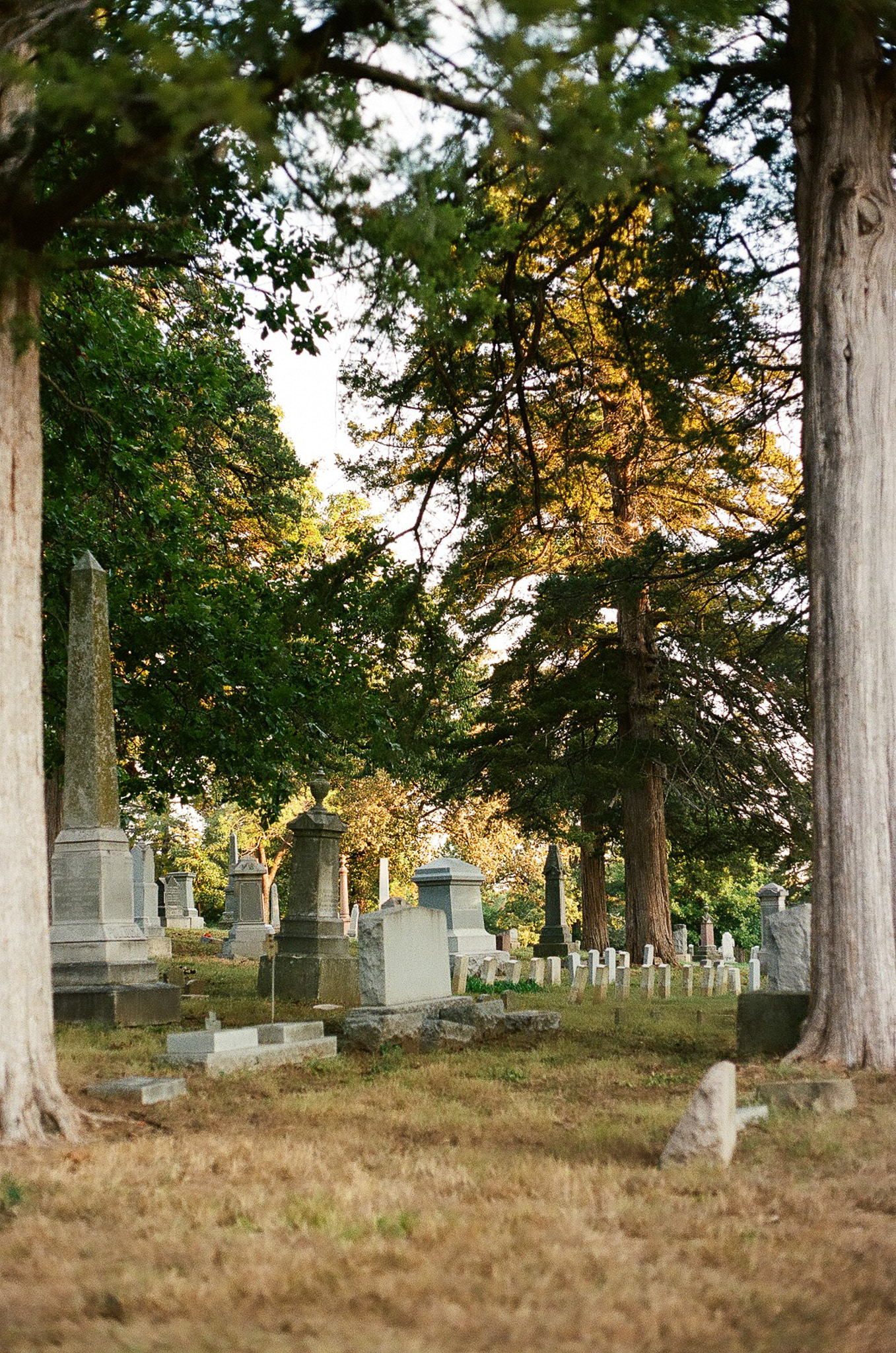
Between the trees, 35mm
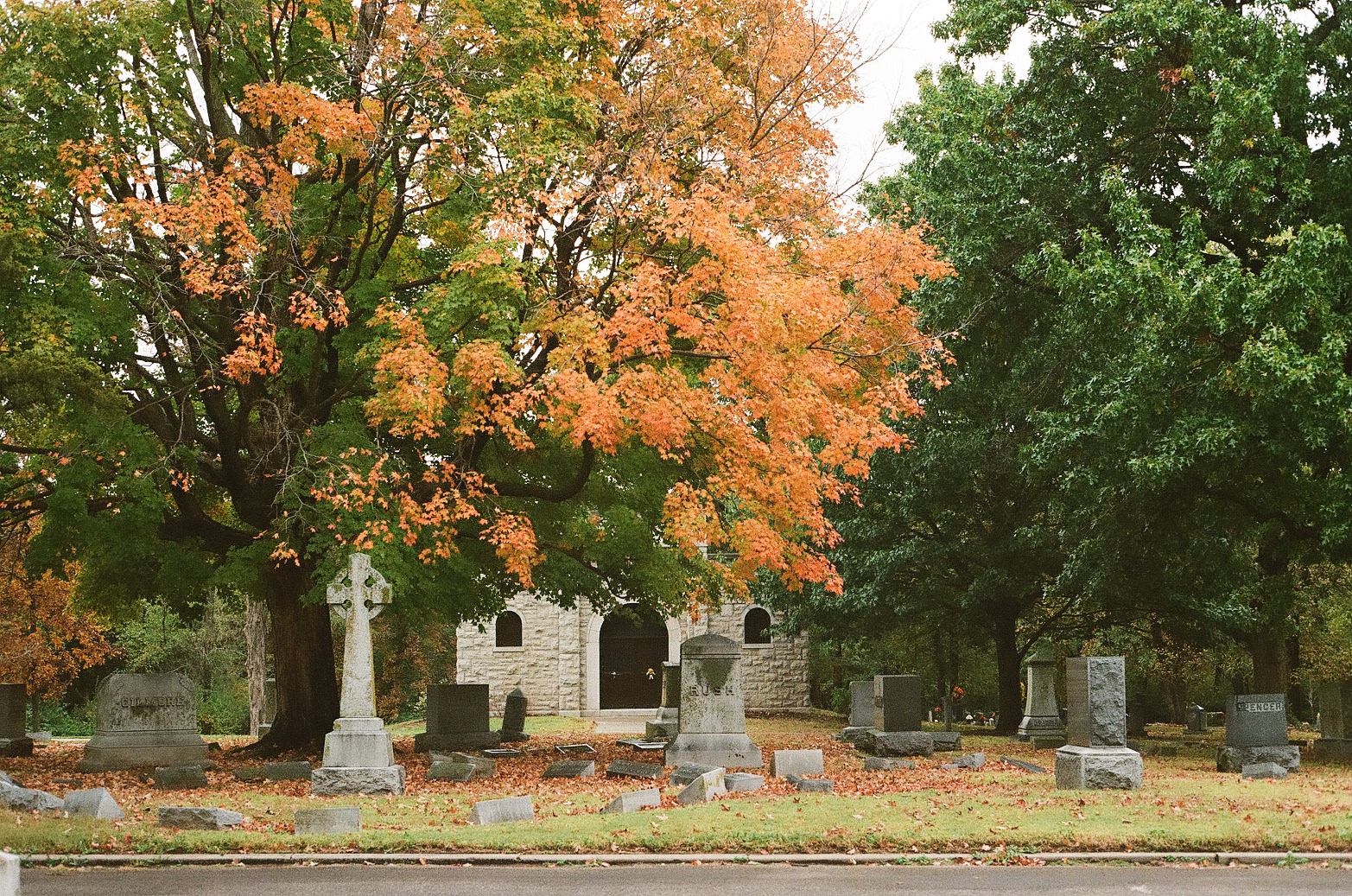
1917.2 Mausoleum, 35mm
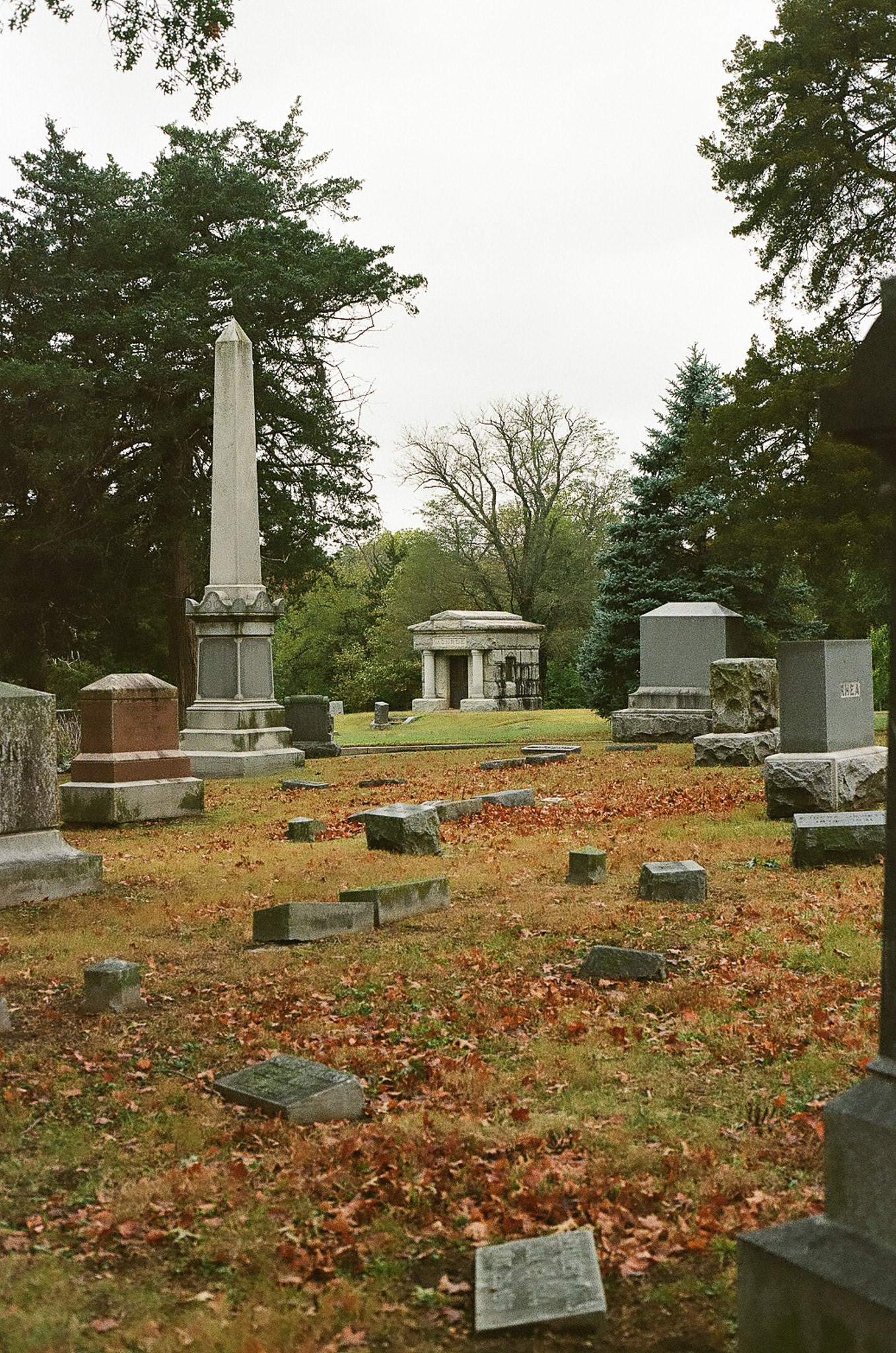
Monroe, 35mm
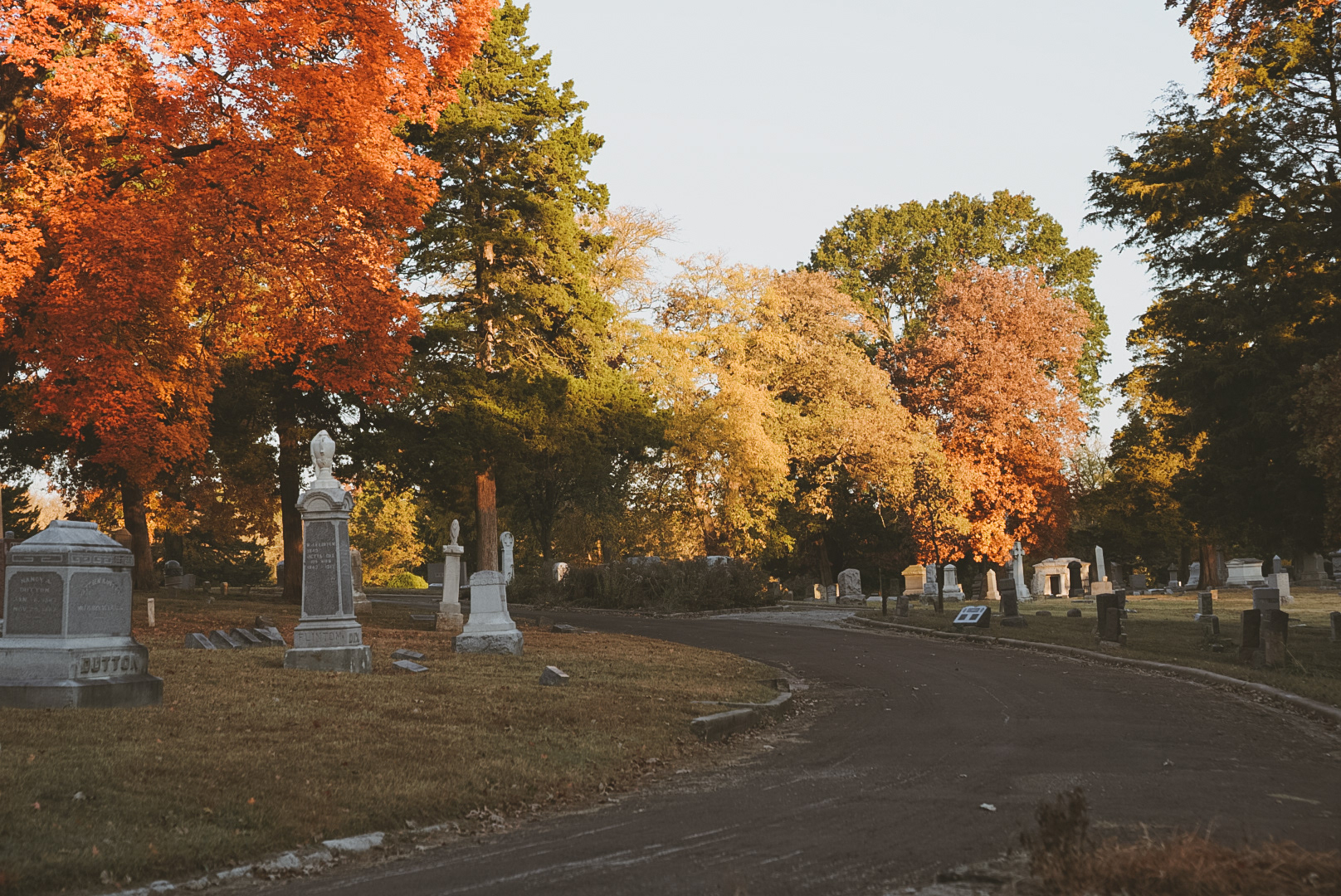
Winding road, digital
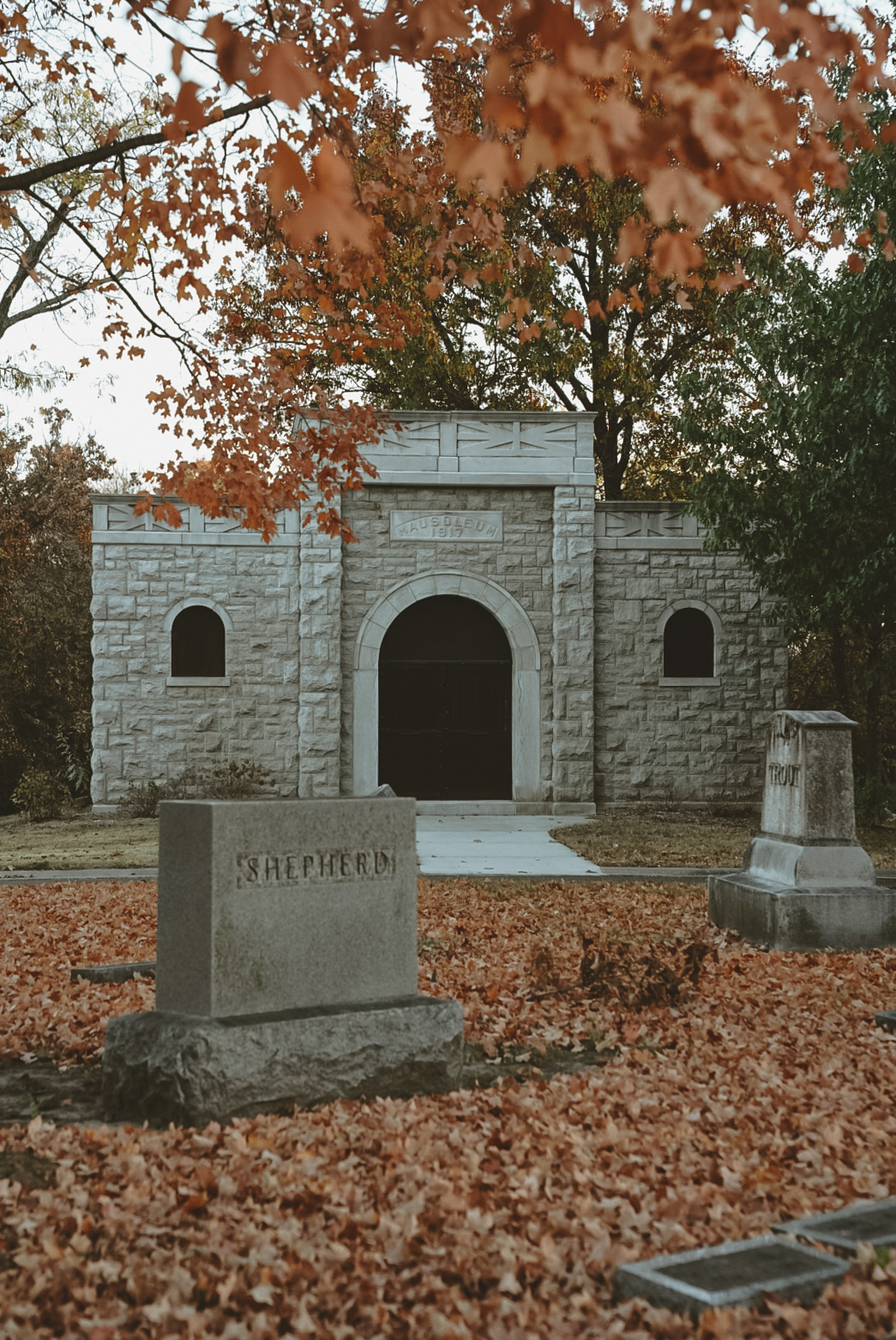
1917.3 Mausoleum, digital
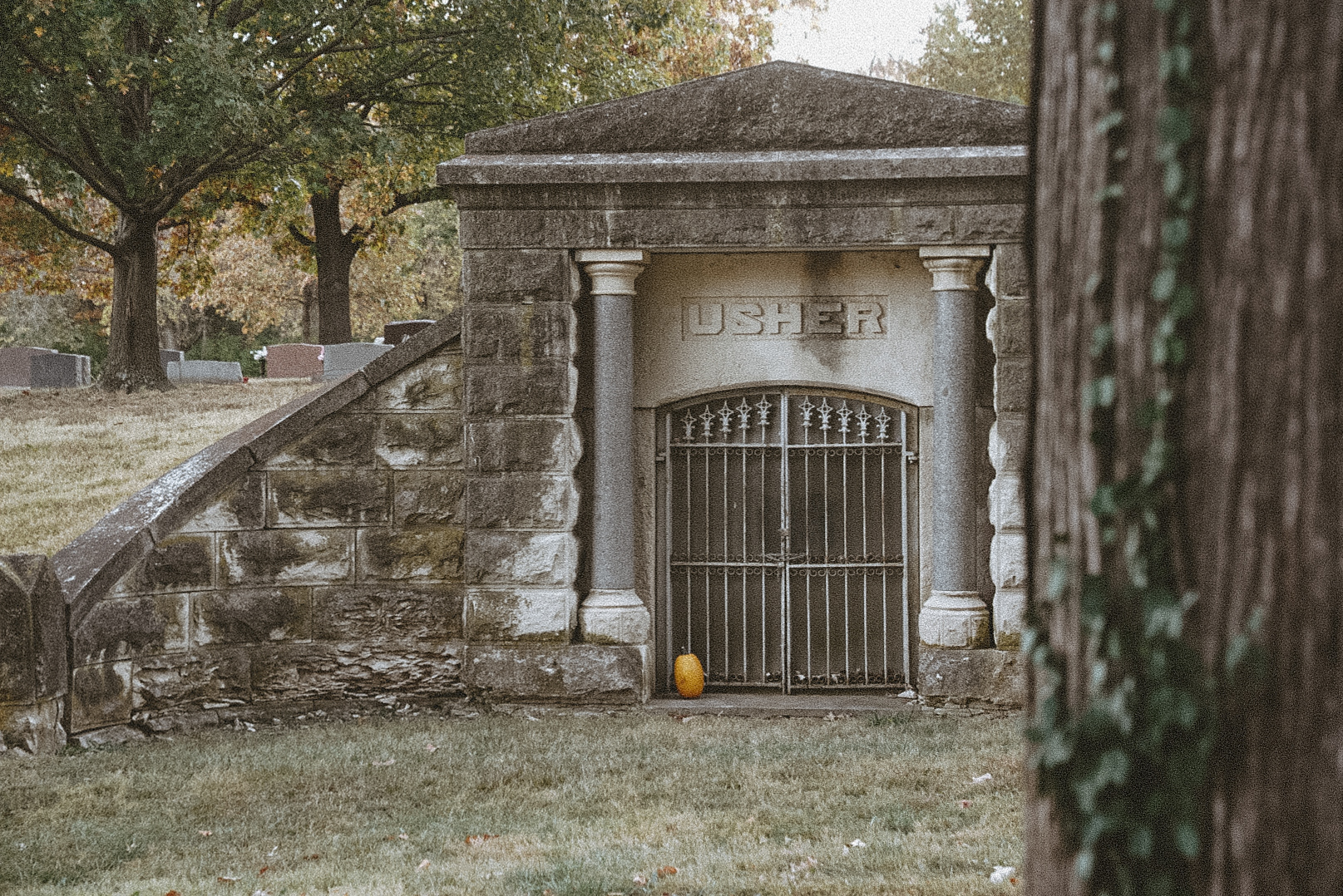
Usher, digital
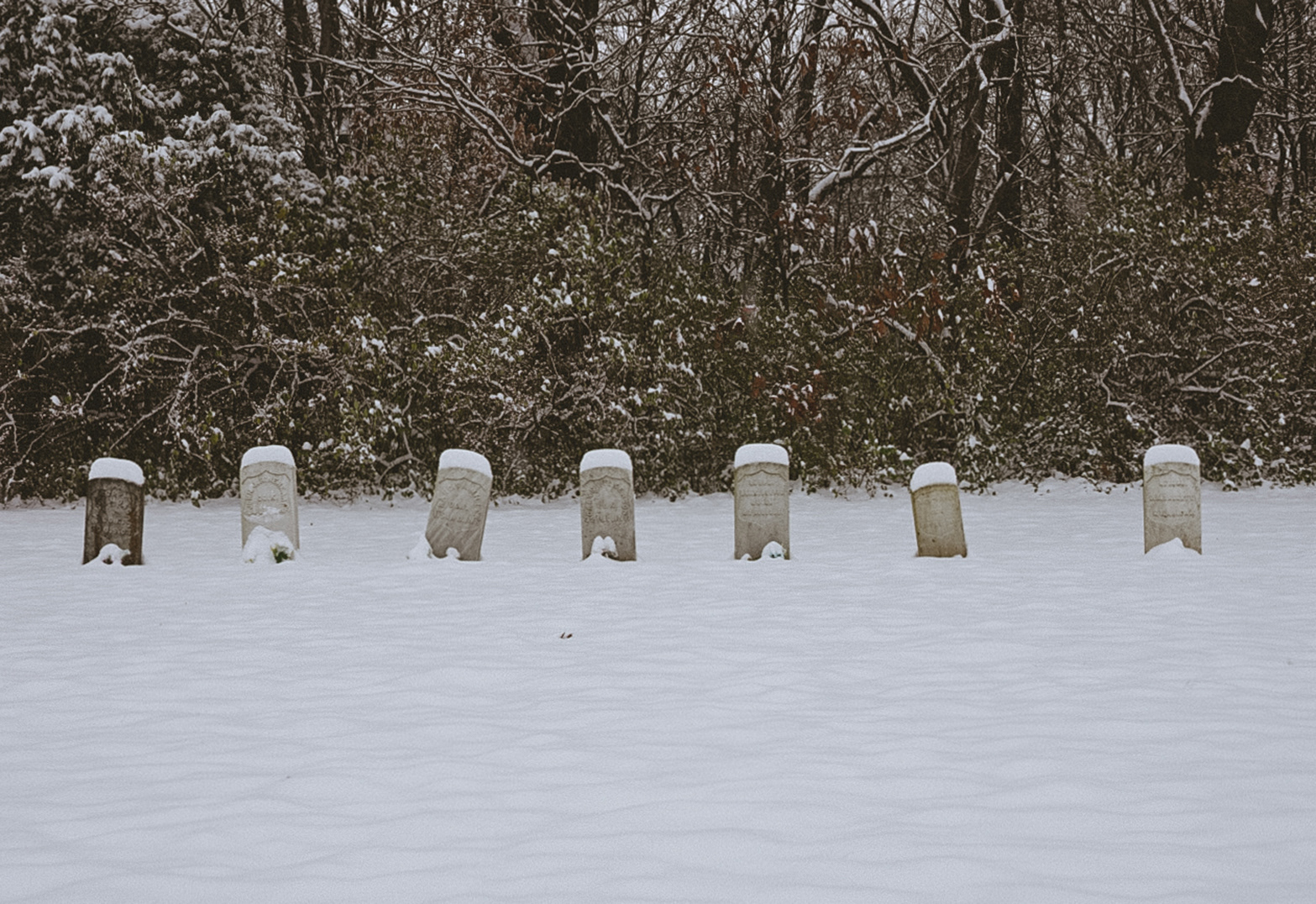
Winter, digital
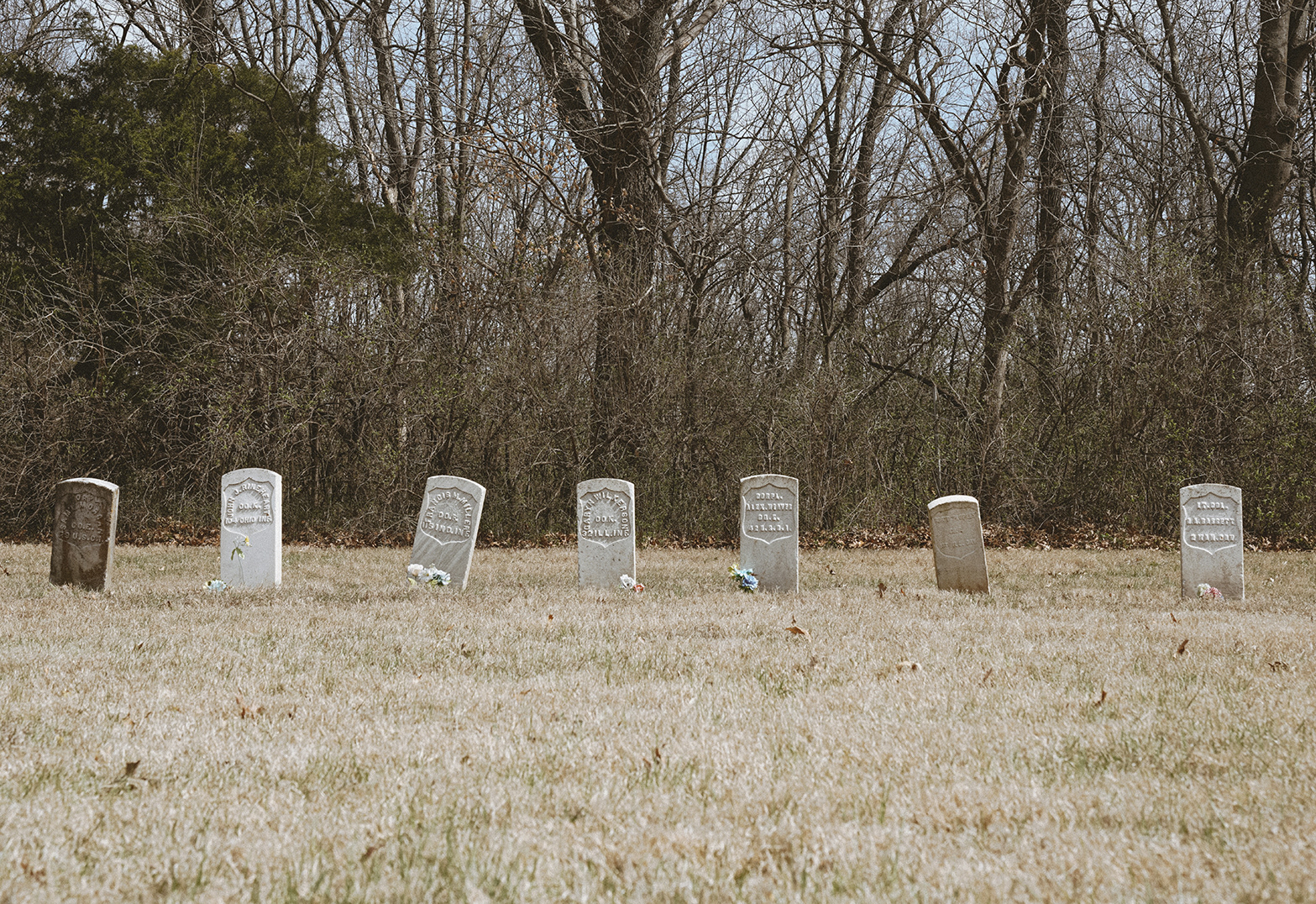
Spring, digital
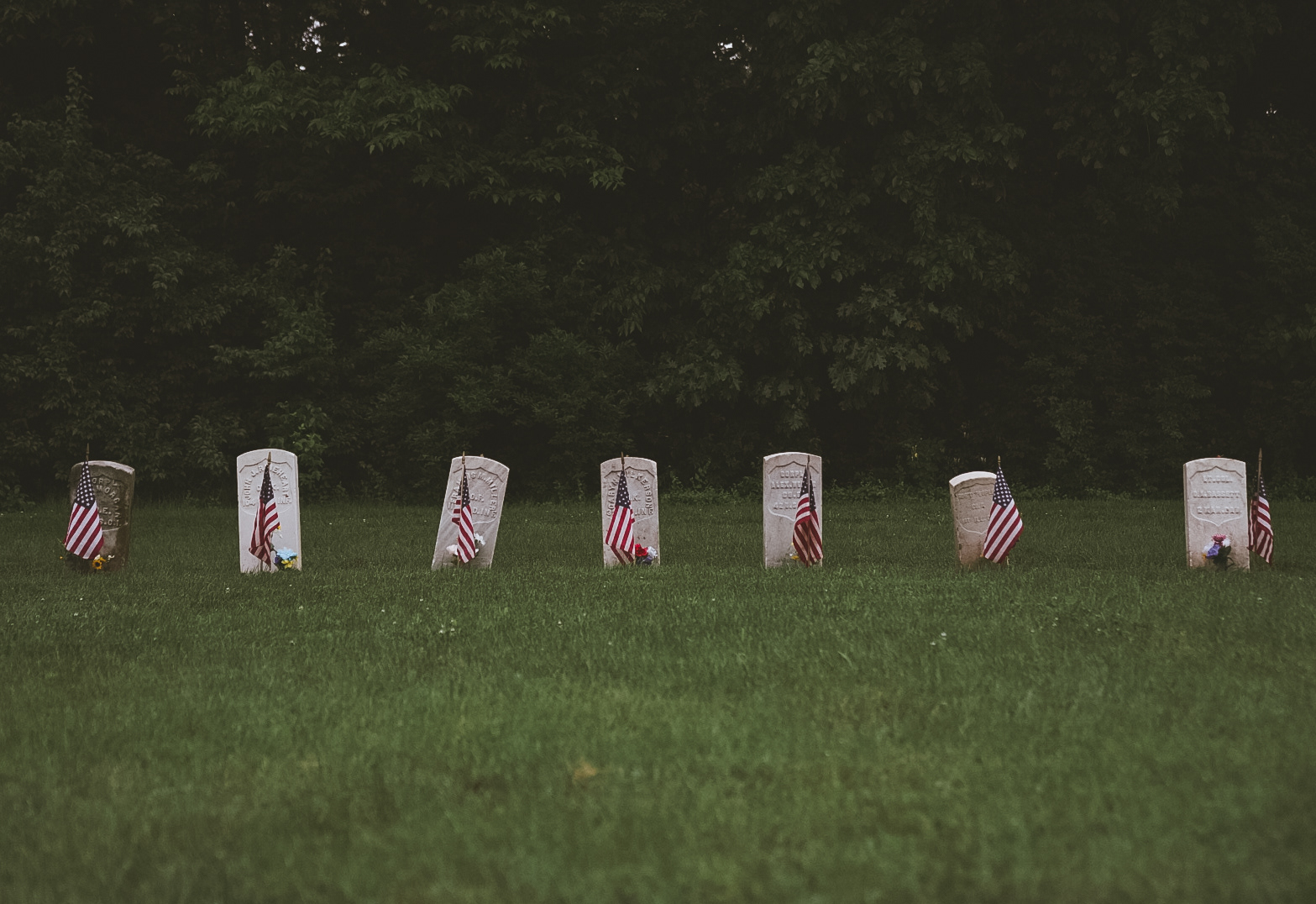
Summer, digital
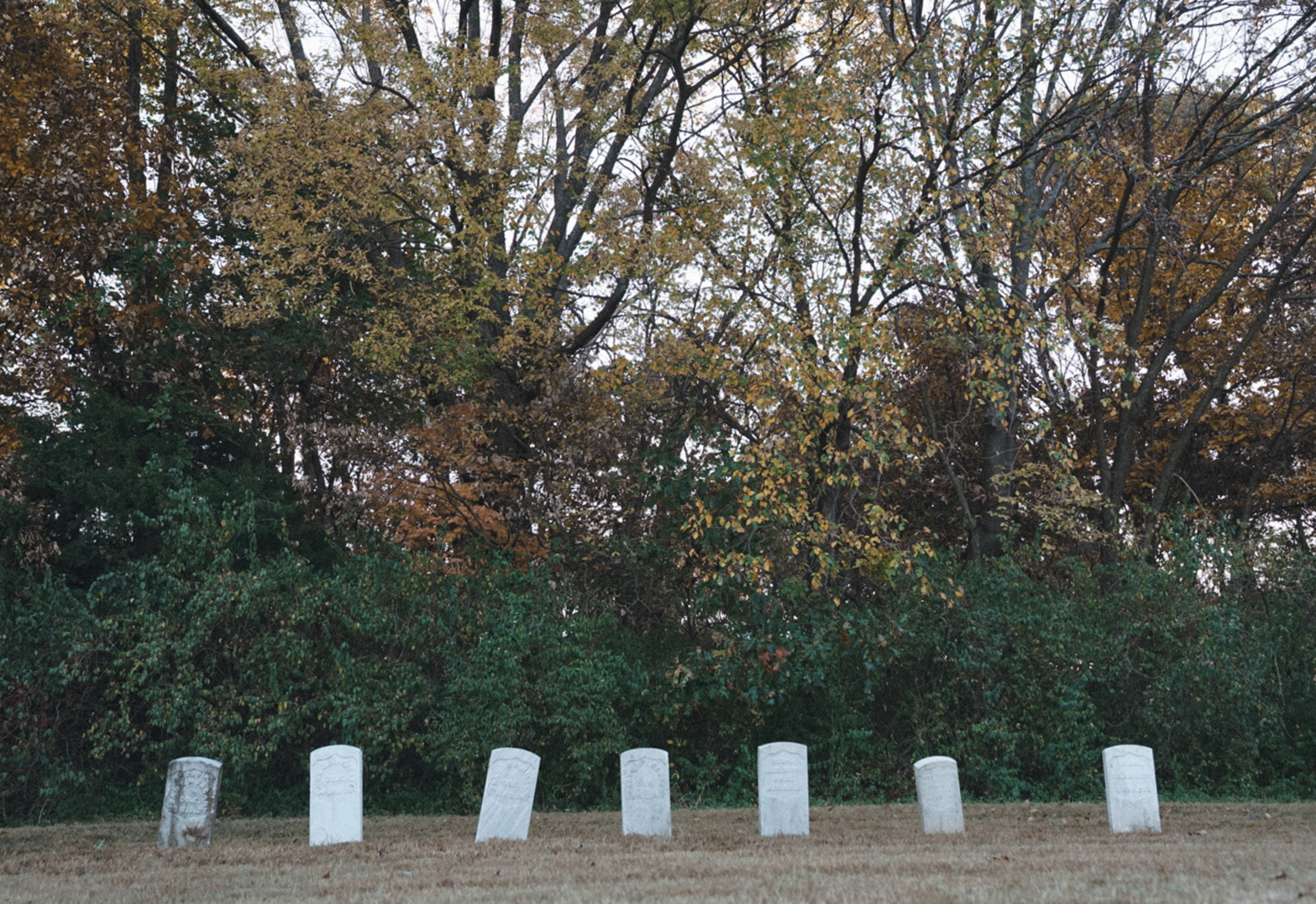
Autumn, digital
Thank you for viewing the Historic Oak Hill Cemetery exhibition!
If you are interested in purchasing a print, please email bekahstewartkibler@gmail.com